Search My Yard!

Friday, July 17, 2020

Ashei Magnolia - The Pros and Cons

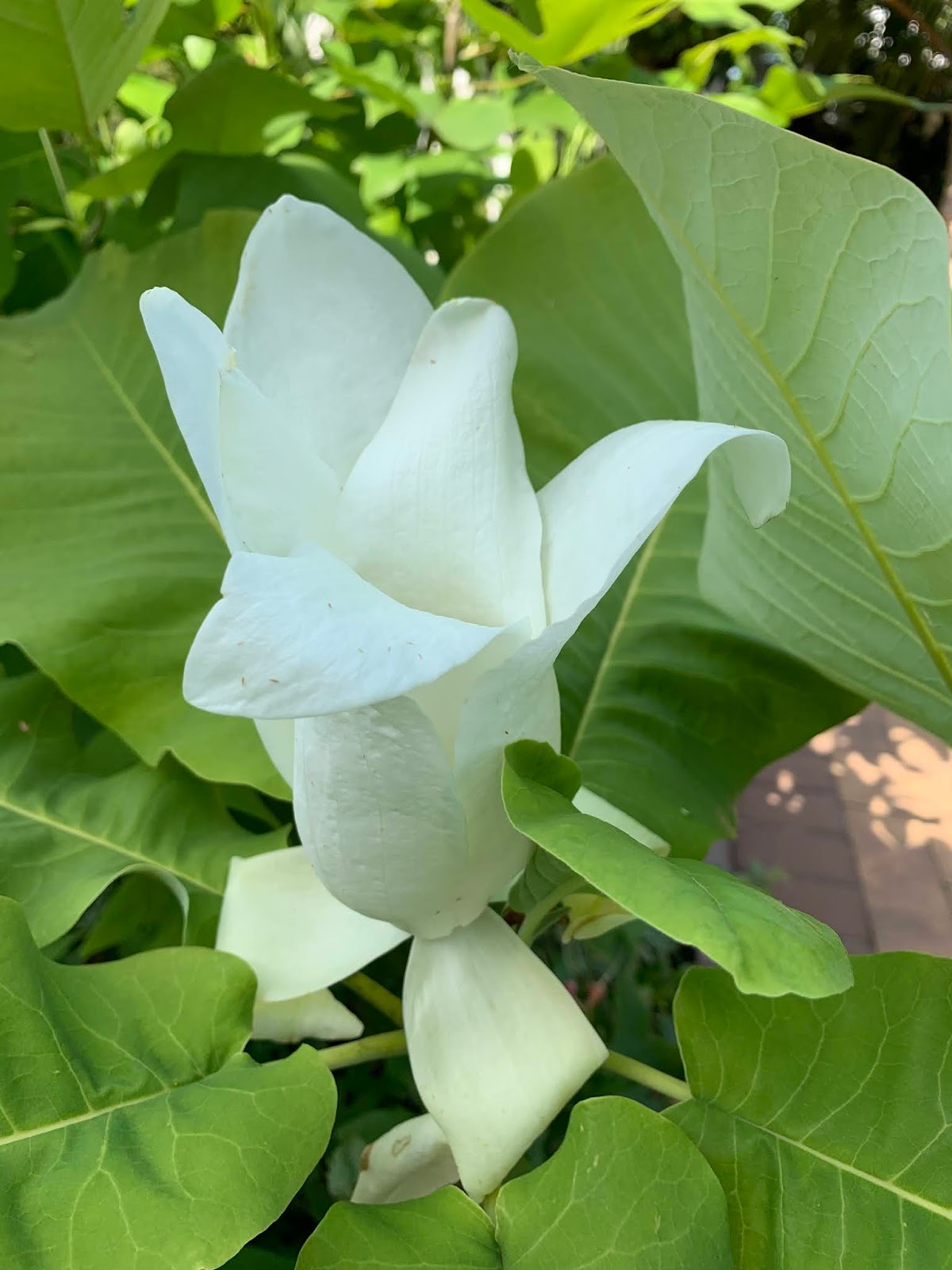
I've grown Ashei magnolia in my yard for a few years now. There's some downsides to this plant, but first, let's talk about the good! The leaves on this one are GIGANTIC and it's native to the US. The blooms are absolutely stunning, and despite everything about this plant being big, they do quite well in small gardens because they won't reach tree-like proportions. It's native to a small part of Northern Florida but is very cold tolerant and would probably do well just about anywhere in the eastern US.

Now onto the bad! Firstly, it's a deciduous magnolia which means it's down to just branches all winter long. Not a big deal for most gardeners, but it's just hard to compete with Magnolia grandiflora, figo, and sometimes virginiana which look beautiful all year long and also have lovely blooms. There's a lot of competition in this family!

I find the foliage on Ashei can sometimes look a bit messy later in the summer. The blooms are also very short-lived like all magnolias, but I haven't gotten a lot of new branches from my Ashei, so there haven't been many blooms. I definitely recommend this plant if you find one, but don't feel too bad if you miss out on it.


Thursday, July 16, 2020

Red Hot Poker Plant - A MUST HAVE!!

This post is dedicated to a plant that really takes my breath away. Kniphofia uvaria, known as a torch lily or red hot poker plant is cold hardy and so so beautiful. It appears this plant can handle temperatures down to at least -10F. I can vouch that it's definitely hardy to at least the single digits and has no problem in NYC if you have good drainage and full sun.

The grassy part of the plant is nice enough in the landscape (it kind of has a yucca appearance), but the blooms are the reason to grow this plant. Mine will bloom sporadically through the warm months, but the biggest show is in early summer. This plant will not perform well in shade, but is the perfect solution to a dry and sunny part of your yard that needs a plant that thrives on neglect. It pairs beautifully with yuccas and agave!

There are some great cultivars out there for increased cold hardiness and bloom time, so definitely look into those before purchasing to make sure you have the best for your growing situation. I believe this one is "Hot and Cold" but I regretfully lost the tag years ago.

These photos were taken in June.


Tuesday, July 14, 2020

A closer look at exotic "cold hardy" flowers

If you've followed along this blog for a while, you know I'm all about foliage over flowers. I don't like to rely on blooms to bring color to the garden (that's too much pressure to perform!) but there are some exceptions! 


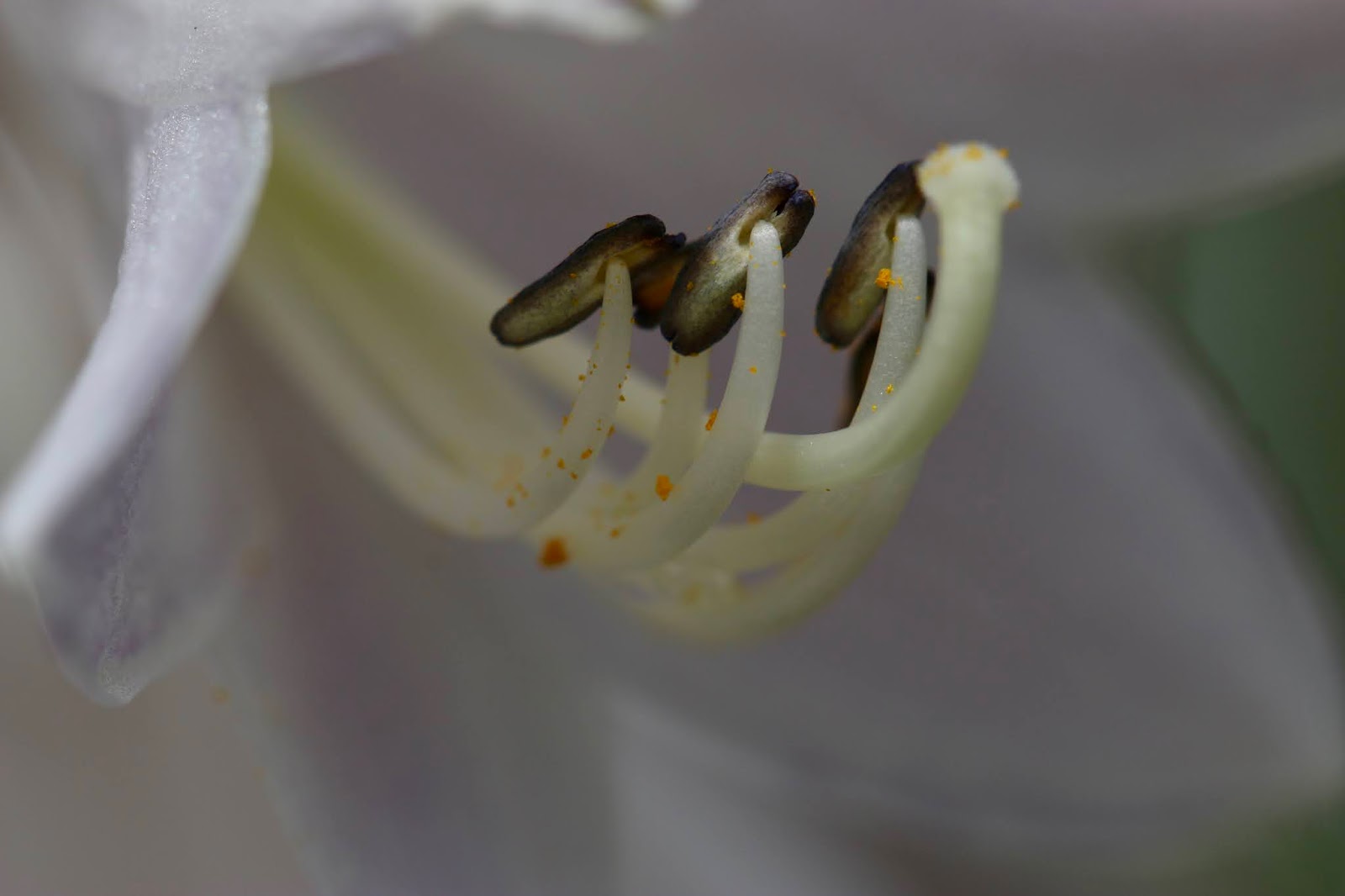
Southern magnolias are a staple in the south (and they're native). The foliage alone gives them plenty of worth in any landscape (I can't think of another tree that stays green all year long with beautiful, glossy leaves). The leaves take a step back in late spring and through summer when the giant flowers open. We're talking bold, white blooms, 6 inches across! The flower parts look pre-historic, and they actually ARE pre-historic. It's believed the first flowers to ever exist looked like magnolias! Maybe that fact explains why these look so unusual up close! If you live in zone 7 or warmer, you definitely should consider this plant for your garden! 


Passiflora caerulea (aka Hardy Passion Vine) is another staple to the south and so beautiful. This species is actually native to South America, but if you're looking for a North American native, P. incarnata is a perfect choice! I've personally never had luck with P. incarnata, but caerulea has proven to be marginally hardy. During "zone 8" winters, P. caerulea is actually evergreen. These plants can become a bit "weedy" in warmer climates, but the flowers are definitely unlike any weed! 


 Plumeria is going to get a separate post entirely because in my opinion, it's the easiest tropical plant you can grow in a pot up north. Although they are far from cold hardy and will melt in below-freezing temperatures, they are very drought tolerant. They go dormant in the dry season in the tropics which makes for easy storage up north! Plumeria love hot summers and will not bloom well if summer afternoons don't regularly get into the 80s F (30s C). Typically a branch will send a big head of blooms every other year. Most of my plumerias have enough branches to bloom each season, but some years will have more bloom heads than others. The fragrance is unbelievable and instantly sends me to Hawaii. A must-have!


American Wisteria is a beautiful option. It's more behaved than Japanese wisteria, stays more compact, and blooms a second time in the summer! The blooms aren't quite as dramatic as the Japanese species, but it's a small tradeoff for a much more responsible wisteria! 


A few randoms... Enjoy! 


Thursday, July 9, 2020

Aint this the bee's knees?

My parents have a wood gazebo which has unfortunately become home to a carpenter bee nest. These bees bore into wood to lay eggs. They can weaken wooden structures, but otherwise are pretty tame so I suggested to my parents that they let the bees do their thing for now. It looks like the bees feel VERY comfortable and at home because I caught this carpenter bee taking a morning snooze on my parent's hydrangea!


This piqued my interest on the subject. It turns out for most species, male bees are more likely to be caught sleeping because they don't return to the nest. Bees appear to follow irregular sleeping patterns (I can relate to that these days!) so they'll take a brief nap, often in the morning.

You got to admit, it's a comfy-looking spot. Sleep tight!

Wednesday, July 8, 2020

A few nighttime photos from the garden

String lights were definitely one of my favorite garden investments. I think I paid $15 for a 20-foot strand of heavy-duty lights. I don't even take them down for the wintertime and they've been in the garden now for at least 4 or 5 years. They are so relaxing to look at and add the perfect level of light for a relaxing late-night stroll around the garden.

Yucca flowers only open up at night so that's the best time to give them a smell and take some pictures! Nighttime is also really fun when you have hibiscus because you'll often see the blooms start to unfurl before the sun rises. Our hibiscus are still a few weeks away from blooming. They have been REALLY slow to emerge this year. It's okay though because the hostas are stealing the show anyway!


Thursday, July 2, 2020

Southern landscaping up north!

I left New York City back in February 2017, and I noticed over my 3 years in the south that southerners are obsessed with Hydrangeas. Hydrangeas are a little picky up north because they do prefer mild winters, but newer varieties like Endless Summer can bloom on new wood growth so it's not as important to have really mild winters, but it definitely helps.

When hydrangeas are happy, they're one of the most beautiful plants you can imagine growing. While they may not conjure up thoughts of the tropics, they're one of those plants that people in the tropics wish they could grow (Dombeya wallichii, is given the name "tropical hydrangea", but they're totally different!).

I needed something beautiful and bold to block a really ugly piece of equipment in my parent's backyard back home in New York. This little section of my yard is inspired by the gardens I've heard people dreaming down in the south. I threw a longleaf pine in the middle because they give such a beautiful woodland look. Their long needle length is so exotic. Longleaf pines are fully hardy in New York City,  but they will struggle in climates cooler than zone 7. These pines require a lot of summer heat to really do their best but are probably worth a try in mild winter climates even with cool summers. They take years to start trunking, but once they do, you'll notice giant leaps in growth early each summer, like mine is doing now. Definitely a conversation piece!


Sunday, June 28, 2020

A decade of growing Trachycarpus fortunei in New York City (their growth rate through the years)

I LOVE pictures that show plant growth throughout the years. Before and after pictures can really give gardeners the idea of what they're getting themselves into before they purchase a plant, or what to be excited for in the months and years to come.

Windmill palms (Trachycarpus fortunei) are the gold standard for palm lovers in colder climates. No tropical garden "up north" is complete without them! These were the first "hardy" palms I ever purchased. They were planted in the ground from 3-gallon pots in March 2009. I was only 14 years old! Fast forward 11 years and these palms have grown a lot. Windmill palms have a reputation for being slow-growing, but I don't think it's warranted! Mine is putting out 1 new frond a month and over the course of a 9-month growing season, that's going to give you a pretty full looking palm by the end of the year! 

I moved south in 2017 so these palms have had a lot less intervention. Unfortunately, their beauty did take a hit in 2018 and 2019, but they're starting to bounce back!

For those of you growing (or thinking of growing) windmill palm seedlings in a cool climate like NY, here's what you can expect from them over the next few years! 

SUMMER 2009


WINTER 2014 (5 YEARS LATER)


SUMMER 2017 

This was the last year I was able to check on the palms throughout the winter. They still receive winter protection, but 2018 and 2019 were the harshest winters in their lifetime (near 0F both winters). You'll see the impact from that damage in the next picture. 


A peek from a freak March snowstorm in early 2018. The fronds were protected during the winter, but at this point, the worst of the winter cold was already over.


Summer 2018

The palms aren't as full and actually appear smaller as they recover from winter damage. 


Summer 2019

The winter of 2019 completely defoliated my windmill palms despite protection. I was worried they weren't going to make it, but they managed to make a slow come back later that summer! 


Now (Summer 2020)

I'm much happier with their look here! The winter of 2019 - 2020 was very mild. Our coldest low in my parent's NYC yard was 14F which is so manageable for Trachycarpus. They aren't quite as tall as they were in 2017 because the fronds aren't quite as stretched out (they're getting more sun these days). They really look pretty close to flawless and still have plenty of growing left to do this summer!


Thanks for looking! You can follow my plant adventures on social media and on this blog!